Table of Contents
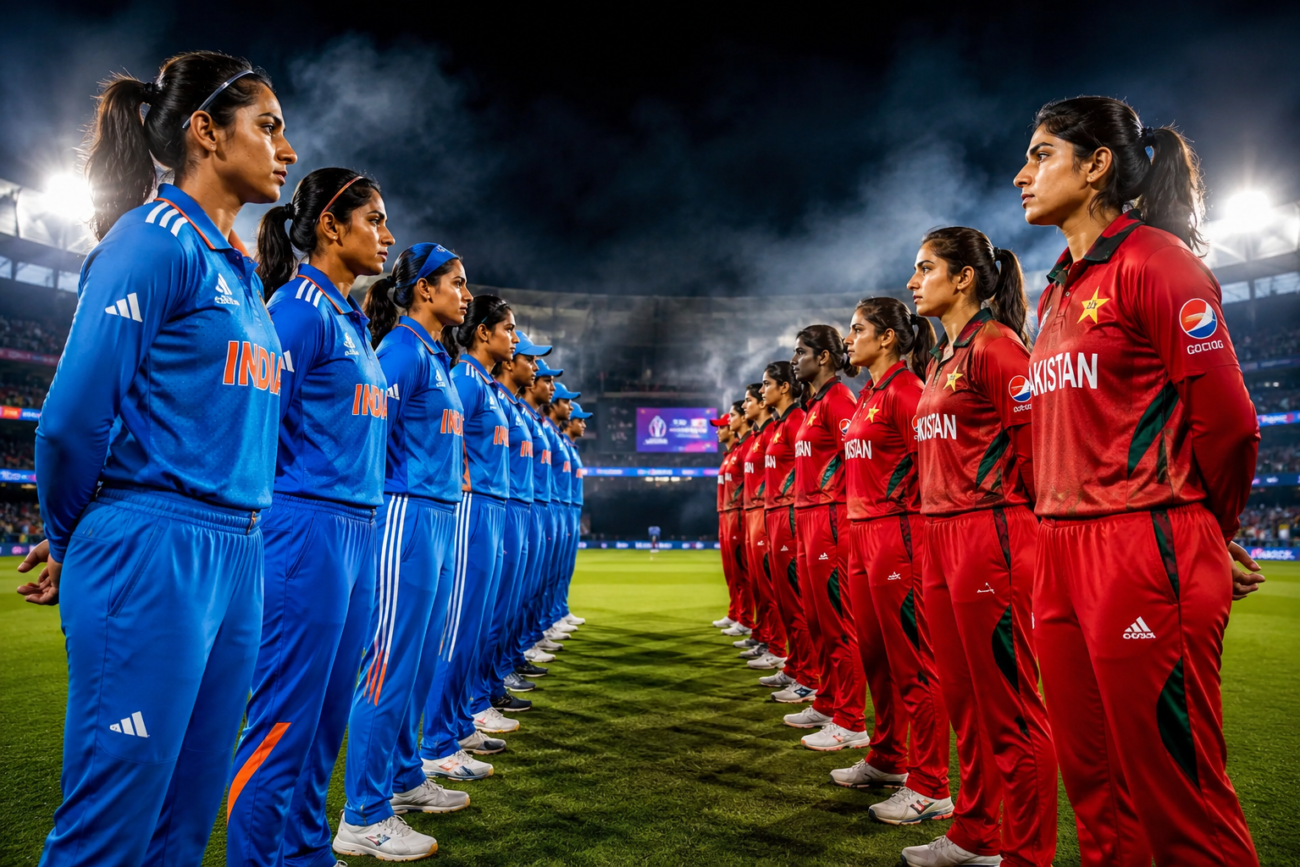
Few contests in world cricket generate as much anticipation as India versus Pakistan, and the rivalry becomes even more captivating when the women’s teams take center stage. Their clash in the ICC Women’s T20 World Cup 2026 carried enormous expectations, passionate support, and significant implications for the group standings. India entered the match determined to begin their campaign with authority, while Pakistan hoped to upset their traditional rivals on a grand stage. What unfolded at Edgbaston was a contest defined by calculated batting, disciplined bowling, and decisive moments that ultimately allowed India to register an emphatic victory.
Match Overview
The Group 1 encounter of the ICC Women’s T20 World Cup 2026 took place at Edgbaston, Birmingham. India produced an all-round performance to defeat Pakistan by 64 runs after setting a formidable target of 171.
| Match | Venue | Toss | India | Pakistan | Result |
| ICC Women’s T20 World Cup 2026, Match 6 | Edgbaston, Birmingham | India won toss and batted | 170/6 (20) | 106 all out (17) | India won by 64 runs |
The summary reflects India’s dominance in both departments. Posting 170 on a pressure-filled occasion demonstrated composure and planning. Pakistan began positively in pursuit but failed to sustain momentum as India’s bowlers tightened their grip. The margin of victory also significantly boosted India’s net run rate.
Match Summary
India’s innings revolved around Smriti Mandhana’s fluent strokeplay before Richa Ghosh accelerated at the death. Pakistan responded aggressively in the powerplay but suffered a dramatic collapse.
The contest showcased how momentum can shift rapidly in T20 cricket. Pakistan’s promising start offered hope, but India’s experience under pressure proved decisive. Deepti Sharma’s spell transformed the match into a one-sided affair.
Toss and Team Decisions
India captain Harmanpreet Kaur elected to bat first after winning the toss. The decision reflected confidence in the batting unit and awareness that scoreboard pressure often influences high-stakes India-Pakistan encounters.
Batting first allowed India to dictate the tempo. Despite early setbacks, the middle order rebuilt efficiently. Pakistan’s choice to chase became increasingly difficult as the required rate climbed and wickets began falling.
India Innings Analysis
India Women: 170/6 in 20 overs
An early dismissal of Shafali Verma briefly energized Pakistan. Jemimah Rodrigues also departed cheaply, leaving India needing stability.
Smriti Mandhana responded with authority. Her elegant drives and calculated aggression prevented Pakistan from capitalizing fully. Harmanpreet Kaur complemented Mandhana by rotating strike and punishing loose deliveries.
Richa Ghosh then delivered the finishing flourish. Her explosive cameo transformed a competitive total into an imposing one.
Batting Scorecard – India Women
| Batter | Runs | Balls | 4s | 6s | SR |
| Shafali Verma | 6 | 5 | 0 | 1 | 120.00 |
| Smriti Mandhana | 68 | 44 | 9 | 2 | 154.55 |
| Jemimah Rodrigues | 1 | 7 | 0 | 0 | 14.29 |
| Harmanpreet Kaur | 36 | 35 | 4 | 0 | 102.86 |
| Bharti Fulmali | 1 | 3 | 0 | 0 | 33.33 |
| Richa Ghosh | 34 | 17 | 5 | 1 | 200.00 |
| Deepti Sharma* | 12 | 9 | 1 | 0 | 133.33 |
| Shreyanka Patil* | 1 | 1 | 0 | 0 | 100.00 |
Mandhana’s innings formed the backbone of India’s total. She absorbed pressure after two early wickets and accelerated intelligently. Harmanpreet’s contribution ensured continuity, while Richa’s fearless approach added finishing power.
Pakistan Bowling Analysis
Pakistan’s bowlers showed glimpses of discipline but struggled to contain India’s late surge.
Bowling Scorecard – Pakistan Women
| Bowler | Overs | Runs | Wickets | Economy |
| Fatima Sana | 4 | 33 | 2 | 8.25 |
| Sadia Iqbal | 4 | 41 | 2 | 10.25 |
| Rameen Shamim | 4 | 28 | 1 | 7.00 |
| Tuba Rubab | 4 | 32 | 1 | 8.00 |
| Others | 4 | 36 | 0 | 9.00 |
Fatima Sana fought admirably and struck at important moments. However, the inability to control India’s scoring in the closing overs meant Pakistan faced a daunting chase.
Pakistan Chase Analysis
Pakistan required a positive start and initially delivered one. Muneeba Ali attacked confidently and ensured the required rate remained manageable.
However, India’s spinners gradually tightened the screws. Once Muneeba departed, wickets tumbled rapidly. Pakistan’s middle order failed to build partnerships, and panic replaced purpose.
Batting Scorecard – Pakistan Women
| Batter | Runs | Balls | 4s | 6s |
| Muneeba Ali | 41 | 35 | 5 | 0 |
| Aliya Riaz | 18 | 17 | 2 | 0 |
| Fatima Sana | 10 | 9 | 1 | 0 |
| Sidra Amin | 8 | 11 | 1 | 0 |
Muneeba’s effort represented Pakistan’s brightest phase. Yet no batter converted starts into a match-defining innings. India’s bowlers consistently forced errors.
India Bowling Scorecard
| Bowler | Overs | Runs | Wickets | Economy |
| Deepti Sharma | 4 | 10 | 5 | 2.50 |
| Shree Charani | 4 | 21 | 3 | 5.25 |
| Shafali Verma | 3 | 22 | 1 | 7.33 |
| Others | 6 | 53 | 1 | 8.83 |
Deepti Sharma’s spell completely altered the chase. Her control, variation, and ability to exploit pressure resulted in a remarkable five-wicket haul. Shree Charani’s support ensured Pakistan never recovered.
Top Performers
| Category | Player | Performance |
| Best Batter | Smriti Mandhana | 68 off 44 |
| Best Bowler | Deepti Sharma | 5/10 |
| Impact Finisher | Richa Ghosh | 34 off 17 |
| Fighting Knock | Muneeba Ali | 41 off 35 |
Each performer influenced a different phase. Mandhana laid the foundation, Richa expanded the advantage, Muneeba kept Pakistan interested, and Deepti decisively ended the contest.
Important Partnerships
| Partnership | Runs | Players |
| India | 91 | Mandhana–Harmanpreet |
| India | 45 | Richa–Deepti |
| Pakistan | 50+ | Muneeba–Aliya |
| Pakistan | Limited Support | Middle Order |
Mandhana and Harmanpreet’s stand stabilized India after early blows. Richa’s late acceleration maximized scoring opportunities. Pakistan’s inability to replicate such partnerships proved costly.
How The Match Was Won
India identified the importance of constructing an innings rather than chasing an unrealistic powerplay total. Mandhana paced her innings expertly and trusted the middle order.
The late overs then shifted momentum permanently. Richa Ghosh’s fearless striking added valuable runs that psychologically affected Pakistan.
During the chase, India’s bowlers targeted the stumps and varied pace effectively. Deepti Sharma sensed Pakistan’s urgency and attacked aggressively rather than defending the total.
India’s superior execution in crucial phases ultimately separated the two teams.
Key Moments That Changed The Game
- Smriti Mandhana’s Counterattack
India were under pressure at 18 for 2 before Mandhana absorbed responsibility and rebuilt.
- Harmanpreet’s Calm Presence
Her partnership prevented Pakistan from exploiting early breakthroughs.
- Richa Ghosh’s Final Overs Assault
The late burst elevated India beyond a par score.
- Deepti Sharma’s Double Strike
Pakistan’s chase unraveled once Deepti entered the attack.
- Muneeba Ali’s Dismissal
Pakistan lost their most fluent batter just as acceleration was required.
These moments collectively shaped the outcome and highlighted India’s superior game management.
Key Statistics From The Match
| Statistic | India | Pakistan |
| Total | 170/6 | 106 |
| Boundaries | 22 | 10 |
| Highest Score | 68 | 41 |
| Best Bowling | 5/10 | 2 wickets |
| Margin | 64 runs | – |
The statistics underline India’s dominance. Greater boundary frequency, superior bowling figures, and impactful individual performances explain the convincing result.
Final Result and Significance
India Women defeated Pakistan Women by 64 runs.
Beyond two points, the victory carried symbolic and strategic importance. India opened their T20 World Cup campaign with confidence, improved net run rate, and reinforced their credentials as serious contenders.
Pakistan, meanwhile, were reminded of the fine margins required at elite tournaments. Their early competitiveness offered encouragement, but sustained excellence remains essential against top opposition.
Conclusion
India’s victory over Pakistan in the ICC Women’s T20 World Cup 2026 combined discipline, composure, and moments of brilliance. Smriti Mandhana’s authoritative innings established the platform, Richa Ghosh added vital finishing touches, and Deepti Sharma produced a bowling masterclass that dismantled Pakistan’s chase. While Pakistan displayed flashes of promise through Muneeba Ali and Fatima Sana, they failed to maintain consistency under pressure. The match reaffirmed India’s strength in handling high-profile occasions and provided the perfect beginning to their campaign, while Pakistan were left searching for answers and opportunities to bounce back stronger.
FAQs
Who won the Pakistan Women vs India Women match?
India Women defeated Pakistan Women by 64 runs in the ICC Women’s T20 World Cup 2026 Group 1 encounter. The victory was built on an impressive batting effort led by Smriti Mandhana before India’s bowlers dominated the chase. The result earned India two valuable points and strengthened their position in the group standings. Pakistan showed brief resistance but failed to sustain pressure during the chase. India’s all-round performance highlighted why they remain among the leading contenders in major women’s tournaments.
Who was the Player of the Match?
Deepti Sharma emerged as the standout performer with exceptional bowling figures of 5 wickets for 10 runs. Her spell completely transformed the match after Pakistan had made a promising start. She dismissed key batters, controlled the scoring rate, and exploited mounting pressure. Five-wicket hauls are rare in major tournaments, making her contribution even more memorable. Deepti’s experience and composure under pressure demonstrated her importance to India’s bowling attack.
How many runs did Smriti Mandhana score?
Smriti Mandhana scored 68 runs from 44 deliveries and anchored India’s innings beautifully. Coming to the crease amid early wickets, she balanced caution with aggression and struck nine boundaries and two sixes. Her innings ensured India recovered strongly and laid the foundation for a challenging total. Mandhana’s ability to control tempo and accelerate when required reflected her status as one of the world’s premier batters.
What was Pakistan’s biggest challenge during the chase?
Pakistan struggled to build meaningful partnerships after losing momentum in the middle overs. Although Muneeba Ali played positively, wickets at regular intervals increased pressure on incoming batters. India’s spin attack, particularly Deepti Sharma, restricted scoring opportunities and forced mistakes. The rising required rate further complicated Pakistan’s task. Their inability to convert starts into substantial contributions ultimately prevented a serious challenge.
Why was Richa Ghosh’s innings important?
Richa Ghosh’s unbeaten 34 from just 17 balls significantly altered the match context. India appeared headed toward a respectable total, but her aggressive finishing elevated the score beyond Pakistan’s comfort zone. The additional runs created scoreboard pressure and changed Pakistan’s approach during the chase. In T20 cricket, late acceleration often decides contests, and Richa delivered exactly when her team needed momentum.
What does this result mean for India’s tournament campaign?
The emphatic win provided India with a strong start and an important net run rate advantage. Beginning a major tournament with victory builds confidence and reinforces tactical clarity within the squad. It also sends a message to rival teams about India’s balance and depth. For Pakistan, the defeat highlighted areas requiring improvement but did not eliminate their chances of progressing if they respond positively in subsequent matches.