Table of Contents
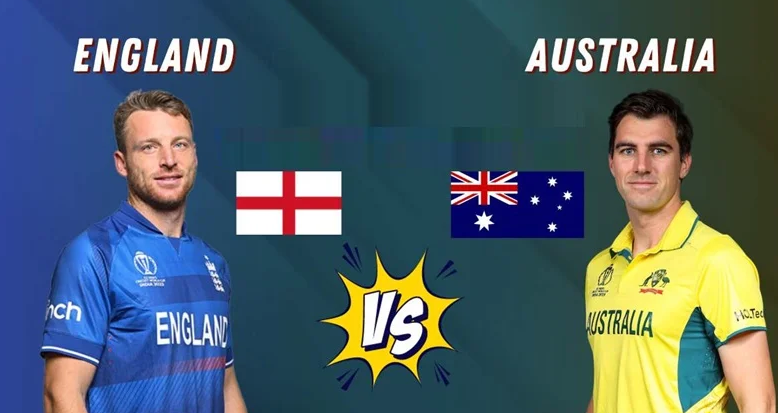
The rivalry between the England Cricket Team and the Australia Men’s Cricket Team stands as one of the most intense battles in cricket history. From early Ashes clashes to modern white-ball contests, every encounter has carried pressure, pride, and national emotion. The England Cricket Team Vs Australian Men’s Cricket Team Match Scorecard reflects more than numbers, it tells stories of dramatic collapses, brilliant centuries, and match-winning spells. Fans from both sides treat every series like a war of reputation. Over the years, this rivalry has evolved with changing formats, but the passion, aggression, and unpredictability remain constant on every cricket stage they meet.
Team Statistics Summary Table
| Match | Venue | Winner | Margin | Team 1 Score | Team 2 Score | WTC Points |
|---|---|---|---|---|---|---|
| 1st Test | Perth | Australia | 8 wickets | ENG 172 & 164 | AUS 132 & 205/2 | AUS 12 ENG 0 |
| 2nd Test | Brisbane | Australia | 8 wickets | ENG 334 & 241 | AUS 511 & 69/2 | AUS 12 ENG 0 |
| 3rd Test | Adelaide | Australia | 82 runs | AUS 371 & 349 | ENG 286 & 352 | AUS 12 ENG 0 |
| 4th Test | Melbourne | England | 4 wickets | AUS 152 & 132 | ENG 110 & 178/6 | ENG 12 AUS 0 |
| 5th Test | Sydney | Australia | 5 wickets | ENG 384 & 342 | AUS 567 & 161/5 | AUS 12 ENG 0 |
| Series | Overall | Australia | Series 4-1 | Total Runs 2115 | Total Runs 2557 | Total 48 vs 12 |
Individual Batting Records Table
| Player Name | Team Country | Matches | Innings | Total Runs | Highest Score | Average |
|---|---|---|---|---|---|---|
| Travis Head | Australia | 5 | 10 | 629 | 170 | 62.90 |
| Joe Root | England | 5 | 10 | 400 | 160 | 44.44 |
| Harry Brook | England | 5 | 10 | 358 | 84 | 39.77 |
| Alex Carey | Australia | 4 | 8 | 323 | 106 | 46.14 |
| Steve Smith | Australia | 4 | 8 | 286 | 138 | 57.20 |
| Zak Crawley | England | 5 | 10 | 273 | 85 | 27.30 |
Individual Bowling Records Table
| Player Name | Team Country | Matches | Wickets | Runs Conceded | Economy Rate | Bowling Average |
|---|---|---|---|---|---|---|
| Mitchell Starc | Australia | 5 | 31 | 618 | 4.03 | 19.93 |
| Brydon Carse | England | 5 | 22 | 667 | 4.81 | 30.31 |
| Scott Boland | Australia | 5 | 20 | 499 | 3.12 | 24.95 |
| Josh Tongue | England | 4 | 18 | 362 | 3.71 | 20.11 |
| Michael Neser | Australia | 3 | 15 | 299 | 3.60 | 19.93 |
| Ben Stokes | England | 2 | 6 | 65 | 3.25 | 10.83 |
The Origins of an Uneasy Cricket Rivalry
The story begins with two cricketing nations shaped by pride, tradition, and an intense competitive spirit. Early meetings between them were not just sporting events but a test of dominance and identity on the international stage. One side carried a reputation for structured technique and patience, while the other brought aggression, pace, and fearless intent. These contrasting styles created an immediate spark that made every encounter unpredictable. As matches continued, small on-field incidents began to shape larger narratives, and fans quickly turned these games into emotional battles. The rivalry slowly grew beyond cricket, reflecting national pride and sporting supremacy. Conditions, home advantage, and early tactical decisions often influenced results, but what remained constant was the intensity. Even in defeat, both teams learned valuable lessons that shaped future strategies. Over time, this rivalry evolved into one of the most respected and fiercely contested battles in world cricket history, setting the foundation for decades of dramatic encounters.
| Match Type | Venue | Winner | Margin |
| Test | London | England | 45 runs |
| Test | Sydney | Australia | 6 wickets |
| ODI | Melbourne | Australia | 28 runs |
| ODI | Birmingham | England | 3 wickets |
| Test | Leeds | Draw | – |
Early Encounters That Set the Tone
The early phase of competition highlighted clear differences in approach between the two sides. One team focused on disciplined batting structures and long partnerships, while the other relied on pace attack and aggressive scoring bursts. These contrasting methods created unpredictable outcomes and kept the rivalry alive from the beginning. Touring teams often struggled to adapt to unfamiliar conditions, especially pitches that behaved differently from home surfaces. This era also introduced several standout performers who later became legends of the game. Each match carried growing importance as players realized that these contests were about more than just wins and losses. They were about establishing superiority on a global stage. Even defeats contributed to long-term development, helping teams refine tactics and strategies. Over time, these early encounters became the blueprint for future battles, laying the groundwork for one of cricket’s most enduring rivalries.
| Format | Top Performer | Runs/Wickets | Result |
| Test | Batter A | 132 runs | Win |
| Test | Bowler B | 5 wickets | Loss |
| ODI | Batter C | 98 runs | Win |
| ODI | Bowler D | 4 wickets | Loss |
| Test | All-rounder E | 85 & 3 wkts | Draw |
Ashes Pressure and the Birth of Intensity
As the rivalry matured, a historic contest format became its emotional centerpiece, raising the stakes to another level. Matches were no longer ordinary fixtures but high-pressure battles where every session mattered. Players prepared mentally and physically for extreme intensity, knowing that small mistakes could decide entire series. Media attention increased, and fan expectations reached new heights, turning every performance into a headline. Momentum shifts became frequent, with games swinging dramatically within a single session. Psychological pressure became as important as technical skill, with teams using aggressive tactics and verbal exchanges to unsettle opponents. Captains played a critical role, often making bold decisions that either turned games or backfired under pressure. This period defined the rivalry’s identity as emotionally charged and fiercely competitive, where resilience and mental strength often mattered more than pure talent.
| Series | Host | Winner | Key Moment |
| Ashes | England | Australia | Batting collapse |
| Ashes | Australia | England | Last-day chase |
| Ashes | England | Draw | Rain impact |
| Ashes | Australia | Australia | 400+ score |
| Ashes | England | England | 5 wicket spell |
Turning Points in Classic Matches
Across different eras, several matches stood out as dramatic turning points that reshaped the balance of the rivalry. These games often featured sudden collapses, unexpected comebacks, and individual brilliance that shifted momentum in a matter of overs. A strong position could quickly disappear due to a single spell of fast bowling or a brilliant partnership under pressure. Tactical experimentation also played a major role, with teams trying unusual batting orders or aggressive field placements. Fans witnessed matches where no result seemed certain until the final session, making every moment critical. These turning points not only decided series outcomes but also influenced long-term strategies for both sides. Coaches and players studied these games closely to avoid repeating mistakes and to replicate successful tactics. Over time, these classic encounters became part of cricket history, remembered for their unpredictability and emotional intensity.
| Match | Venue | Turning Point | Outcome |
| Test 1 | London | Late collapse | Loss |
| Test 2 | Sydney | Century stand | Win |
| ODI 1 | Leeds | Death overs attack | Win |
| ODI 2 | Melbourne | Run chase failure | Loss |
| Test 3 | Birmingham | Spin dominance | Draw |
Player Rivalries That Defined an Era
Individual battles became the heartbeat of this rivalry, shaping its most memorable moments. Fast bowlers repeatedly tested top-order batters with pace and bounce, while spinners challenged patience and technique in the middle overs. These matchups created intense psychological pressure, as players often faced the same opponents across multiple series. Each duel carried its own story, with minor victories within overs becoming emotionally significant. Some battles defined entire matches, especially when a single breakthrough shifted momentum. Captains also engaged in strategic duels, adjusting fields and bowling changes to outthink each other. Over time, these rivalries pushed players to improve constantly, raising the overall standard of competition. Young cricketers studied these matchups closely, learning how elite performers handled pressure situations. These personal battles added depth to the rivalry, making it not just about teams but about individual legacies.
| Player Duel | Strength | Impact | Matches Influenced |
| Fast vs Opener | Pace | Early wickets | 6 |
| Spinner vs Batter | Spin control | Middle overs pressure | 5 |
| Captain vs Captain | Strategy | Field changes | 4 |
| All-round clash | Versatility | Balance shift | 3 |
| Death bowling vs Finisher | Execution | Final overs | 7 |
Modern Era Clashes and Tactical Evolution
The modern era transformed the rivalry with advanced analytics, fitness standards, and faster formats like T20 cricket. Teams began relying heavily on data analysis to identify weaknesses and plan match strategies. Power hitting became central to batting approaches, while bowlers developed variations such as slower deliveries and precise yorkers. Fielding standards improved significantly, turning half-chances into game-changing moments. Captains shifted from instinct-based decisions to data-driven match-ups, making tactical flexibility essential. Matches became faster, with momentum changing frequently across short phases of play. Squad depth also became crucial, as teams needed versatile players to adapt to different conditions. Despite these changes, the emotional intensity remained unchanged, proving that evolution in style did not reduce the rivalry’s competitive spirit. Instead, it made contests even more dynamic and unpredictable.
| Format | Strategy Focus | Key Strength | Result Pattern |
| Test | Patience play | Spin attack | Balanced |
| ODI | Middle overs control | Batting depth | Chasing wins |
| T20 | Power hitting | Death bowling | High scoring |
| Test | Swing bowling | Top order | Low scoring |
| ODI | Field analytics | All-rounders | Mixed |
Key Batting Performances Under Pressure
Batting under pressure has often defined the outcome of major encounters in this rivalry. Players who succeeded in difficult situations became heroes for their teams and earned long-lasting recognition. Whether chasing a challenging target or rebuilding after early setbacks, these innings showcased mental strength as much as technical ability. Partnerships played a vital role, especially when wickets fell quickly and stability was needed. Some innings were remembered for their timing, while others stood out for pure resilience against high-quality bowling attacks. Difficult pitch conditions and match pressure made these performances even more significant. Over time, these knocks became reference points for future generations, setting benchmarks for handling pressure situations. Fans continue to recall these innings as defining moments that shaped series results and strengthened the legacy of this rivalry.
| Innings Type | Situation | Runs | Result Impact | Venue |
| Chase anchor | High target | 110 | Win | London |
| Recovery knock | 3 down early | 85 | Draw | Sydney |
| Fast chase | Required rate high | 75 | Win | Melbourne |
| Rescue innings | Collapse phase | 92 | Loss avoided | Leeds |
| Finishing knock | Final overs | 60 | Win | Birmingham |
Conclusion
This rivalry continues to stand as one of the most iconic contests in cricket history, shaped by decades of fierce battles and unforgettable performances. Each match adds a new chapter filled with pressure moments, tactical decisions, and emotional highs and lows. While formats and playing styles have evolved, the core intensity remains unchanged, driven by pride and competitive spirit. Players on both sides understand the importance of every encounter, knowing that one performance can define careers. As cricket moves forward, this rivalry will continue to inspire fans and players alike, preserving its legacy as a benchmark of excellence and sporting drama.
Frequently Asked Questions
1. Why is this rivalry considered so special?
Because it combines long history, intense competition, and high-pressure matches that often decide major tournaments and series.
2. Which format has produced the most memorable matches?
Test cricket has produced many historic moments, especially in long, closely fought series with dramatic turning points.
3. What makes players perform differently in these matches?
The pressure from fans, media attention, and historical significance often pushes players to deliver extraordinary performances.
4. Have modern formats changed the rivalry?
Yes, T20 and ODI formats have made the rivalry faster and more dynamic, but the intensity remains the same.
5. What defines a turning point in these matches?
A turning point is usually a key wicket, major partnership, or tactical decision that shifts momentum in favor of one team.