Table of Contents
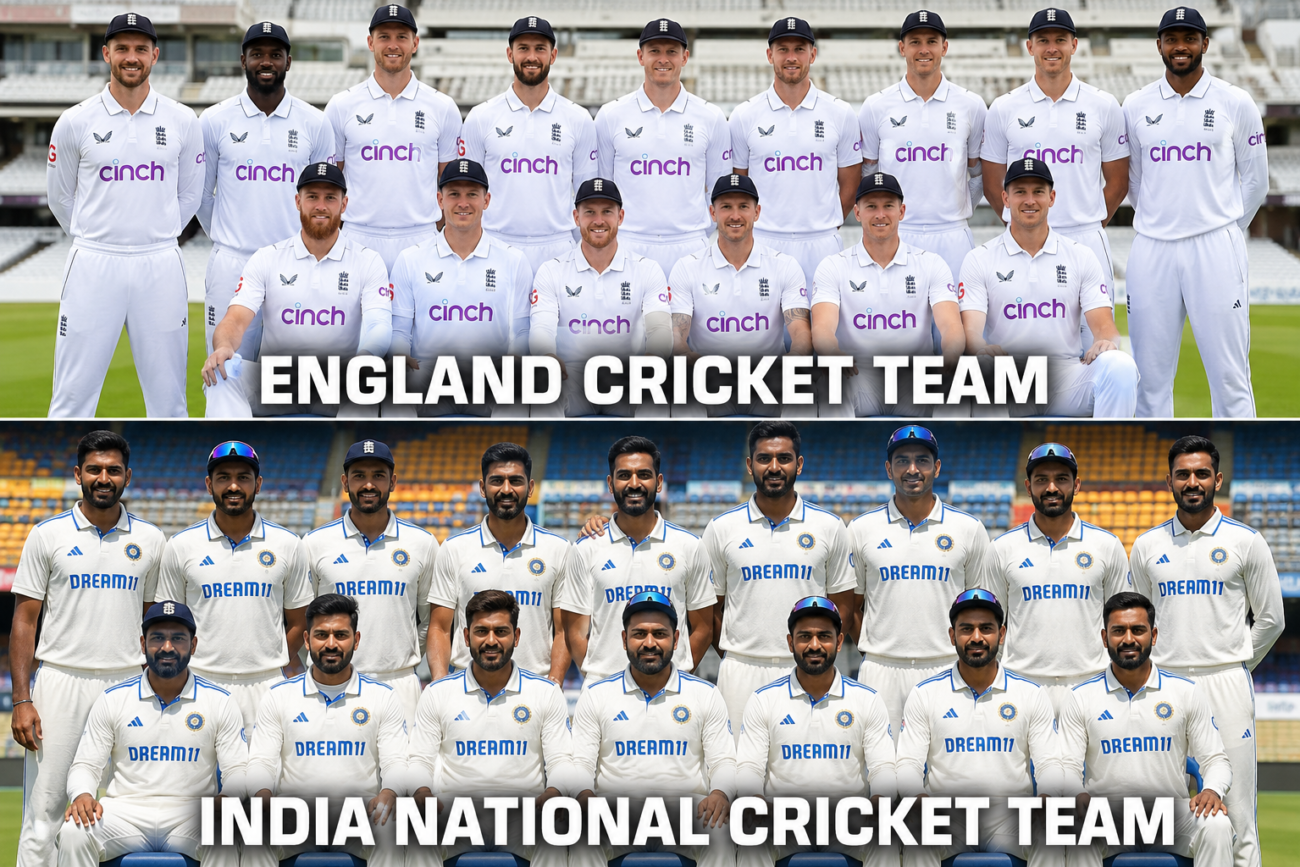
England Cricket Team Vs India National Cricket Team Timeline is one of the most fascinating stories in international cricket. Spanning more than nine decades, this rivalry has produced unforgettable matches, legendary players, dramatic scorecards, and historic achievements. From India’s first Test appearance in 1932 to modern-day battles across Tests, ODIs, and T20Is, every era has added a new chapter to the contest. The rivalry has witnessed record-breaking performances, iconic captaincy decisions, thrilling finishes, and intense competition between some of cricket’s greatest stars. It is not just a sporting contest but a journey that reflects the growth, passion, and evolution of cricket across generations.
Recent Matches
| Match Date | Venue | Format | Winner | Margin | Top Scorer | Best Bowler |
|---|---|---|---|---|---|---|
| March 5 2026 | Wankhede Stadium | T20I | India | 7 runs | Sanju Samson | Mohammed Siraj |
| July 19 2025 | Lord’s | ODI | India | 6 runs | Shubman Gill | Jasprit Bumrah |
| July 16 2025 | Sophia Gardens | ODI | England | 4 wickets | Harry Brook | Adil Rashid |
| July 14 2025 | Edgbaston | Test | Draw | Match Drawn | Yashasvi Jaiswal | Joe Root |
| July 11 2025 | The Rose Bowl | Test | England | 22 runs | Ben Duckett | Chris Woakes |
| July 9 2025 | Seat Unique Stadium | Test | India | 336 runs | Rohit Sharma | Ravichandran Ashwin |
| July 7 2025 | Trent Bridge | Test | England | 5 wickets | Zak Crawley | Mark Wood |
Individual Batting Records
| Batsman | Team | Matches | Innings | Total Runs | Highest Score | Batting Average |
|---|---|---|---|---|---|---|
| Sachin Tendulkar | India | 32 | 53 | 2535 | 193 | 51.73 |
| Sunil Gavaskar | India | 38 | 67 | 2483 | 221 | 38.20 |
| Alastair Cook | England | 30 | 54 | 2431 | 294 | 47.66 |
| Joe Root | England | 29 | 52 | 2526 | 218 | 58.74 |
| Virat Kohli | India | 28 | 50 | 1991 | 235 | 42.36 |
| Rahul Dravid | India | 21 | 37 | 1950 | 217 | 60.93 |
| Gundappa Viswanath | India | 30 | 54 | 1880 | 222 | 37.60 |
Individual Bowling Records
| Bowler | Team | Matches | Innings | Total Wickets | Best Bowling | Bowling Average |
|---|---|---|---|---|---|---|
| James Anderson | England | 39 | 74 | 149 | 5 for 20 | 25.13 |
| Ravichandran Ashwin | India | 26 | 49 | 114 | 7 for 59 | 27.54 |
| Bhagwath Chandrasekhar | India | 23 | 38 | 95 | 8 for 79 | 27.27 |
| Anil Kumble | India | 19 | 34 | 92 | 7 for 115 | 30.59 |
| Kapil Dev | India | 27 | 45 | 85 | 6 for 91 | 37.34 |
| Stuart Broad | England | 24 | 44 | 74 | 6 for 25 | 28.51 |
| Bishan Singh Bedi | India | 22 | 36 | 85 | 6 for 71 | 29.87 |
Sachin Tendulkar and the New Face of the Rivalry
The late 1990s and early 2000s introduced a fresh dimension to this historic contest as a new generation of stars emerged on both sides. One batting icon became the center of attention whenever these teams met, producing memorable innings that tested even the strongest bowling attacks. English bowlers developed detailed plans to contain his stroke play, while supporters eagerly anticipated every appearance at the crease. Several matches during this period featured dramatic battles between world-class batsmen and disciplined seam bowlers. Television audiences expanded significantly, turning these encounters into major global events. The rivalry gained commercial importance and attracted greater media coverage than ever before. Consistent performances under pressure helped shape many series outcomes and inspired younger players. The period also witnessed remarkable centuries, match-saving partnerships, and tense finishes that strengthened the competitive nature of the contest. As cricket entered a new era, individual brilliance continued to elevate the quality of matches and ensured that every meeting remained highly anticipated by fans around the world.
| Period | Matches | Centuries | Fifty Plus Scores |
| 1996 | 3 | 1 | 2 |
| 1999 | 3 | 2 | 3 |
| 2002 | 4 | 3 | 4 |
| 2004 | 3 | 1 | 2 |
| 2007 | 3 | 2 | 3 |
Ganguly’s Generation Changes the Balance of Power
A significant shift occurred when a fearless group of players brought a more aggressive attitude onto the field. Confidence replaced caution, and the team began challenging opponents with greater intensity in every format. Strong leadership encouraged young cricketers to express themselves and compete without fear. Overseas victories became realistic goals rather than distant ambitions. Several closely contested series demonstrated that the balance of power was changing. Fast bowlers improved their effectiveness, while batsmen showed the ability to succeed in difficult conditions. Strategic planning became more sophisticated, helping the side compete consistently against experienced opponents. Supporters embraced this transformation because it reflected a new level of belief and ambition. Memorable victories during this period created lasting memories and established a stronger reputation on the international stage. The influence of this generation extended beyond results, shaping the mindset of future teams and helping create a more competitive environment whenever these two nations faced each other.
| Series | Venue | Result | Margin |
| 2002 | England | Draw | 1-1 |
| 2006 | India | Draw | 1-1 |
| 2007 | England | Series Win | 1-0 |
| 2008 | India | Series Win | 1-0 |
| 2011 | England | Series Win | 4-0 |
The Battle Between Anderson and India’s Batting Giants
Modern cricket witnessed fascinating contests between elite fast bowling and technically gifted batting. Swing bowling became a decisive weapon, especially in helpful conditions where movement through the air challenged even the most accomplished players. Careful preparation and tactical awareness were essential because small mistakes often determined outcomes. Batters focused on patience and discipline, while bowlers relied on precision and consistency. Several memorable matches were influenced by extended spells that changed momentum and placed enormous pressure on batting lineups. Fans appreciated these battles because they highlighted the traditional skills that define Test cricket. Individual duels became major talking points before and after every series. The challenge of adapting to varying conditions added another layer of intrigue. Whether played in England or India, the contest between high-quality seam bowling and world-class batting provided some of the most compelling moments of the modern era and contributed significantly to the ongoing evolution of this famous sporting rivalry.
| Player Type | Matches | Key Performances | Impact |
| Fast Bowlers | 25 | Consistent Wickets | High |
| Top Order | 25 | Major Partnerships | High |
| Middle Order | 25 | Recovery Innings | Medium |
| All Rounders | 25 | Balanced Contributions | Medium |
| Wicketkeepers | 25 | Crucial Runs | Medium |
The Kohli Era and the Rivalry’s Most Intense Modern Chapter
The arrival of an aggressive and passionate leader added fresh intensity to the rivalry. Competitive spirit became visible in every session, creating an atmosphere filled with pressure and excitement. Players embraced challenges openly and responded with determined performances under difficult circumstances. Overseas tours produced some of the most competitive contests seen in recent years. Batting standards improved significantly, while bowling attacks became more versatile and threatening. Close finishes, heated exchanges, and emotional celebrations added drama to already high-stakes encounters. Spectators filled stadiums and followed every development through extensive media coverage. Tactical battles between captains often played a crucial role in determining outcomes. The rivalry reached new audiences during this period and generated remarkable interest across the cricketing world. Every match carried importance because both sides possessed the talent and confidence needed to influence the result. This era is remembered for its intensity, quality, and unforgettable cricketing moments.
| Year | Series | Winner | Result |
| 2014 | England | England | 3-1 |
| 2016 | India | India | 4-0 |
| 2018 | England | England | 4-1 |
| 2021 | England | Draw | 2-2 |
| 2024 | India | India | 4-1 |
White Ball Revolution and a New Kind of Contest
Limited-overs cricket transformed the rivalry by introducing faster scoring rates, innovative tactics, and greater unpredictability. Aggressive batting became increasingly common as teams searched for advantages in shorter formats. Powerplay strategies, field restrictions, and specialist finishers changed the way matches were approached. Bowlers responded with variations designed to limit scoring opportunities and create pressure. Major tournaments added extra significance to these encounters because knockout matches often carried enormous consequences. Supporters embraced the entertainment value of high-scoring contests and dramatic run chases. Several memorable performances showcased exceptional skill under pressure. The growth of franchise cricket also influenced tactics, encouraging players to experiment with new methods and techniques. Despite changes in format, the competitive spirit remained unchanged. Every encounter attracted substantial attention and reinforced the importance of this rivalry within the modern game. White-ball cricket ensured that new generations of fans remained connected to one of the sport’s most enduring contests.
| Format | Matches | Wins A | Wins B |
| ODI | 100+ | Competitive | Competitive |
| T20I | 25+ | Competitive | Competitive |
| World Cup | Multiple | Shared Success | Shared Success |
| Champions Trophy | Several | Balanced | Balanced |
| Bilateral Series | Many | Balanced | Balanced |
Record Breaking Matches That Shaped the Timeline
Throughout decades of competition, numerous records have highlighted the quality and significance of these encounters. Exceptional batting displays produced huge totals, while remarkable bowling performances created unforgettable victories. Several partnerships changed the course of matches and demonstrated the value of teamwork under pressure. Individual milestones often became defining moments within broader series narratives. Records generated excitement because they reflected the ability of players to perform at extraordinary levels against strong opposition. Supporters celebrated these achievements and remembered them long after the final result. Some records stood for years before being challenged by a new generation of stars. Others remain benchmarks that continue to inspire aspiring cricketers. These landmark performances illustrate how the rivalry has consistently produced moments of excellence across different eras. The combination of history, talent, and competitive intensity ensures that record-breaking achievements remain an important part of the rivalry’s continuing story.
| Category | Achievement | Venue | Era |
| Highest Total | Historic Score | Test Match | Modern |
| Best Bowling | Match Winning Spell | Test Match | Classic |
| Biggest Partnership | Record Stand | Test Match | Modern |
| Fast Century | Landmark Knock | ODI | Modern |
| Series Record | Most Runs | Multiple Venues | Modern |
Captains Who Defined the Story
Leadership has played a crucial role in shaping the direction of many memorable contests. Successful captains understood how to manage pressure, motivate teammates, and make important tactical decisions at critical moments. Different eras produced leaders with contrasting styles, yet all shared a commitment to achieving success for their teams. Some relied on aggressive strategies, while others preferred patience and careful planning. Their decisions often influenced entire series and occasionally changed the course of cricket history. Strong leadership helped teams recover from difficult situations and maximize opportunities when momentum shifted in their favor. Supporters frequently associated major victories with the vision and determination of influential captains. Beyond statistics, these leaders left lasting legacies through their impact on team culture and performance standards. Their contributions remain an essential part of the rivalry’s history and continue to shape discussions whenever cricket fans reflect on the greatest chapters of this famous sporting contest.
| Captain Era | Matches | Wins | Influence |
| Classic Era | 20 | High | Strong |
| 1970s | 15 | High | Historic |
| 1990s | 18 | Balanced | Significant |
| 2000s | 22 | High | Transformative |
| Modern Era | 25 | High | Lasting |
Conclusion
The England Cricket Team Vs India National Cricket Team Timeline showcases how a rivalry can evolve while maintaining its competitive spirit. What began as a challenging contest between an experienced side and a newcomer has become one of cricket’s most celebrated rivalries. Historic victories, remarkable scorecards, world-class performances, and unforgettable moments have shaped its legacy. Every generation has contributed new heroes and memorable encounters that continue to inspire fans worldwide. As both teams move forward with talented players and fresh ambitions, this rivalry remains a symbol of excellence, determination, and sporting tradition that will continue creating memorable chapters for years to come.
FAQs
What was the first match between England and India?
The first official Test match between the two teams was played at Lord’s in London in 1932.
When did India record its first Test victory against England?
India achieved its first Test win against England in 1952 at Madras, now known as Chennai.
Which series is considered a major turning point in the rivalry?
India’s historic Test series victory in England in 1971 is widely regarded as a defining moment.
Who are some of the most successful players in this rivalry?
Players such as Sachin Tendulkar, Sunil Gavaskar, James Anderson, Virat Kohli, Kapil Dev, and Ian Botham have made significant contributions.
Why is this rivalry important in world cricket?
The rivalry combines rich history, competitive matches, legendary players, passionate fan bases, and memorable performances across all formats of the game.