Table of Contents
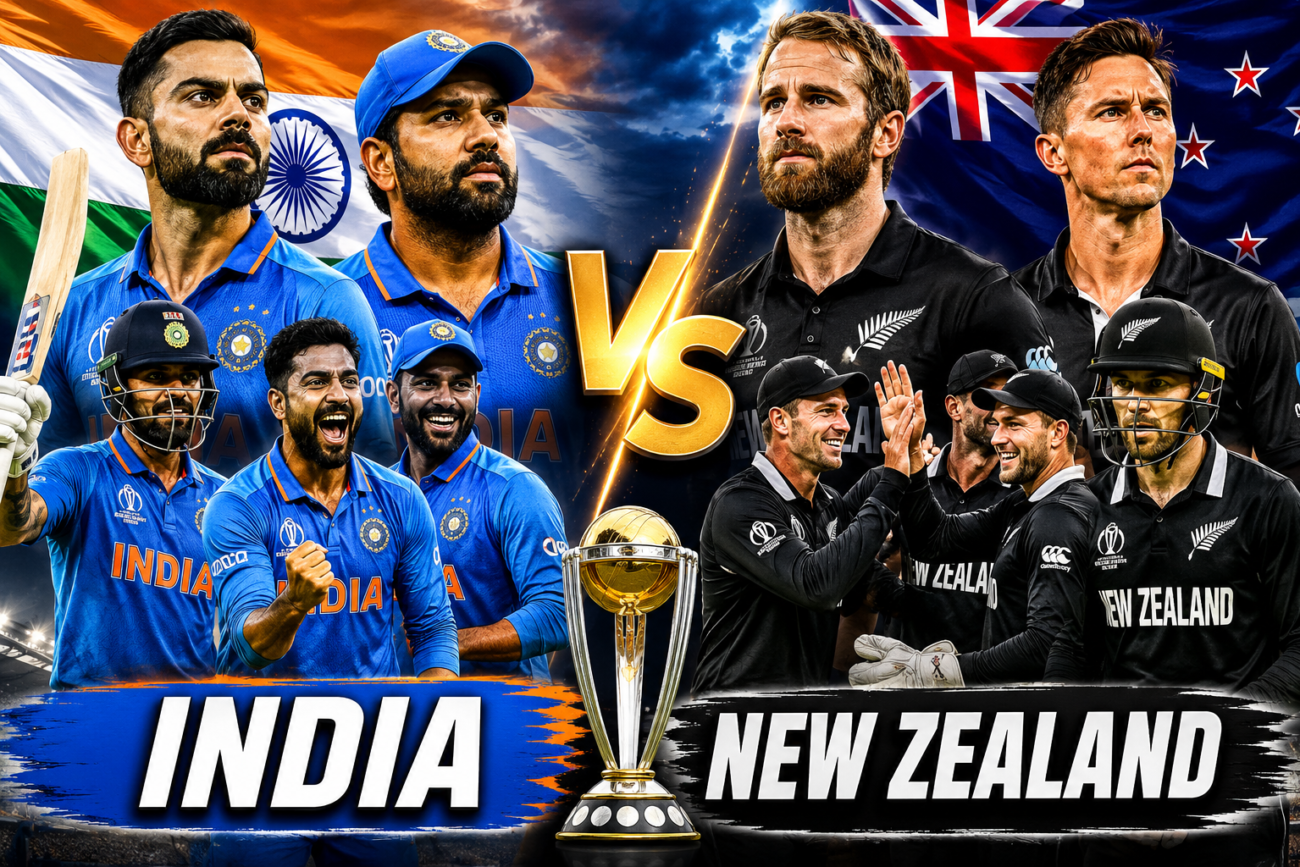
The cricketing journey between India and New Zealand has produced memorable contests built on resilience, skill, and mutual respect. Unlike rivalries driven by controversy, these encounters have often been defined by tactical brilliance, dramatic finishes, and performances that tested character under pressure. Across Tests, One Day Internationals, and T20 Internationals, both teams have delivered unforgettable moments that captured the imagination of supporters around the world. From cautious beginnings to high-stakes global tournaments, every chapter has added new meaning to this enduring sporting relationship. Their battles continue to showcase the spirit of competition and the unpredictable nature that makes cricket one of the world’s most cherished games.
Recent Matches
| Date | Format | Venue | Winner | Margin | Top Performer | Notes |
|---|---|---|---|---|---|---|
| 15 Mar 2026 | T20I | Ahmedabad | India | 96 runs | Sanju Samson | World Cup Final |
| 27 Jan 2026 | T20I | Bengaluru | India | 4 wickets | Hardik Pandya | Series decider |
| 25 Jan 2026 | T20I | Chennai | India | 35 runs | Suryakumar Yadav | India leveled series |
| 23 Jan 2026 | T20I | Mumbai | New Zealand | 7 wickets | Glenn Phillips | New Zealand dominant |
| 20 Jan 2026 | T20I | Kolkata | India | 12 runs | Jasprit Bumrah | High scoring match |
| 18 Jan 2026 | T20I | Delhi | India | 6 wickets | Axar Patel | Spin bowling clinic |
| 14 Jan 2026 | ODI | Hyderabad | New Zealand | 4 wickets | Devon Conway | New Zealand won series |
Team Statistics Summary
| Metric | Test Format | ODI Format | T20I Format | Home Success | Away Success | Neutral Grounds |
|---|---|---|---|---|---|---|
| Matches Played | 63 | 123 | 36 | 102 | 96 | 24 |
| India Wins | 22 | 63 | 18 | 61 | 28 | 14 |
| New Zealand Wins | 16 | 53 | 15 | 34 | 42 | 8 |
| Ties Or No Result | 25 | 7 | 3 | 7 | 26 | 2 |
| Highest Score India | 705 runs | 392 runs | 234 runs | 705 runs | 520 runs | 397 runs |
| Highest Score NZ | 680 runs | 349 runs | 219 runs | 680 runs | 449 runs | 327 runs |
| Lowest Score Head | 46 runs | 79 runs | 74 runs | 46 runs | 92 runs | 111 runs |
Individual Batting Records
| Batsman Name | Team Country | Format Preferred | Total Runs | Highest Score | Batting Average | Strike Rate |
|---|---|---|---|---|---|---|
| Sachin Tendulkar | India | ODI | 1750 | 186 | 46.05 | 86.42 |
| Virat Kohli | India | ODI | 1584 | 154 | 48.00 | 94.61 |
| Ross Taylor | New Zealand | ODI | 1343 | 112 | 40.69 | 82.54 |
| Rohit Sharma | India | ODI | 1094 | 147 | 37.72 | 89.23 |
| Kane Williamson | New Zealand | Test | 1051 | 131 | 38.92 | 52.14 |
| Nathan Astle | New Zealand | ODI | 1207 | 120 | 43.11 | 79.46 |
| Rahul Dravid | India | Test | 1151 | 222 | 41.10 | 42.85 |
Individual Bowling Records
| Bowler Name | Team Country | Format Preferred | Total Wickets | Best Bowling | Economy Rate | Strike Rate |
|---|---|---|---|---|---|---|
| Anil Kumble | India | Test | 39 | 5 wickets for 39 | 2.51 | 63.20 |
| Tim Southee | New Zealand | ODI | 36 | 5 wickets for 42 | 5.38 | 34.10 |
| Ravichandran Ashwin | India | Test | 66 | 7 wickets for 59 | 2.59 | 49.40 |
| Richard Hadlee | New Zealand | Test | 65 | 7 wickets for 23 | 2.29 | 49.30 |
| Mitchell Santner | New Zealand | Test | 31 | 7 wickets for 53 | 3.12 | 55.60 |
| Trent Boult | New Zealand | ODI | 24 | 5 wickets for 21 | 4.80 | 38.20 |
| Mohammed Shami | India | ODI | 30 | 7 wickets for 57 | 5.04 | 28.50 |
When Two Cricketing Worlds First Collided
The earliest meetings between these two nations carried a sense of curiosity rather than hostility. One side represented a rapidly growing cricket culture filled with passionate supporters, while the other relied on discipline and patience to challenge stronger opponents. Their initial contests were shaped by unfamiliar conditions, cautious batting, and bowlers determined to exploit every weakness. Those matches helped build mutual respect and laid the foundation for decades of competitive encounters. Fans gradually discovered that even without dramatic exchanges, the contests often produced gripping moments. The rivalry grew through perseverance, adaptability, and a desire to prove superiority whenever opportunities emerged. What began as occasional international fixtures slowly transformed into an engaging sporting relationship remembered for resilience and professionalism.
| Early Encounters | Playing Conditions | Dominant Trait | Fan Response | Long Term Effect |
| Traditional Tests | Unfamiliar Pitches | Patience | Growing Interest | Rivalry Began |
| Defensive Starts | Swing Friendly | Discipline | Curiosity | Mutual Respect |
| Tactical Sessions | Slow Outfields | Adaptability | Appreciation | Future Battles |
| Measured Batting | Variable Weather | Persistence | Optimism | Historic Identity |
Learning to Survive Through Difficult Years
The formative period tested both teams in different ways. Touring sides had to adjust quickly to changing environments, while home teams carried the burden of expectations. Victories rarely came easily, making every draw and hard-fought session meaningful. Players relied on grit more than flair, often batting for survival and celebrating small achievements. Supporters admired determination shown during difficult passages of play, especially when conditions favored bowlers. These experiences strengthened team character and created an understanding that success demanded patience. The lessons learned during those years later shaped more confident and aggressive approaches as the rivalry matured.
| Challenge | Team Response | Key Strength | Supporter Mood | Outcome |
| Overseas Tours | Defensive Planning | Endurance | Hopeful | Valuable Lessons |
| Difficult Tracks | Technical Adjustments | Concentration | Encouragement | Improved Skills |
| Bowling Pressure | Collective Effort | Discipline | Nervous Excitement | Stronger Units |
| Long Sessions | Tactical Patience | Mental Toughness | Admiration | Greater Confidence |
The Era of Established Masters
As experienced stars emerged, contests gained greater attention and significance. Senior batters anchored innings while dependable bowlers controlled crucial phases. Leadership became increasingly influential as captains experimented with field placements and strategic declarations. Every series added fresh stories of resilience, composure, and timely brilliance. Spectators developed emotional connections with their favorite players and celebrated memorable performances for years afterward. These established figures elevated standards and demonstrated how individual excellence could influence the direction of fiercely contested matches.
| Feature | Batting Focus | Bowling Focus | Leadership Impact | Legacy |
| Experienced Players | Stability | Control | Strategic Decisions | Inspiration |
| Long Innings | Technique | Accuracy | Confidence | Lasting Memories |
| Pressure Moments | Responsibility | Persistence | Adaptability | Higher Standards |
| Team Balance | Partnerships | Consistency | Guidance | Strong Foundations |
Limited Overs Cricket Changes the Narrative
The arrival of shorter formats introduced urgency and excitement. Teams shifted from cautious accumulation to calculated aggression, encouraging innovation and fearless decision-making. Batters targeted boundaries with greater intent while bowlers developed variations to disrupt momentum. Matches became unpredictable, often decided during the final overs. Fans embraced the emotional highs and lows that accompanied these encounters, creating unforgettable atmospheres. Tactical flexibility emerged as an essential quality, and adaptability often separated winners from defeated sides in closely contested games.
| Element | Batting Style | Bowling Approach | Crowd Emotion | Match Impact |
| Faster Scoring | Positive Intent | Variations | Excitement | Quick Turnarounds |
| Field Restrictions | Aggression | Creativity | Anticipation | Dynamic Cricket |
| Close Finishes | Risk Taking | Precision | Celebration | Memorable Results |
| Tactical Changes | Innovation | Adaptation | Engagement | Modern Identity |
Leadership Battles and Tactical Thinking
Captains increasingly shaped outcomes through calm decision-making and calculated risks. Bowling changes, batting promotions, and field adjustments often influenced decisive moments. Strong leaders inspired confidence during adversity and encouraged teammates to embrace responsibility. Their contrasting personalities added intrigue to contests without diminishing mutual respect. Supporters frequently debated strategic choices, recognizing the importance of leadership beyond statistics. These battles highlighted cricket’s intellectual dimension and demonstrated how preparation and composure could transform pressure into opportunity.
| Captaincy Aspect | Strategic Focus | Team Benefit | Fan Perspective | Influence |
| Bowling Rotations | Control | Stability | Discussion | Match Direction |
| Field Placements | Pressure Building | Confidence | Curiosity | Tactical Success |
| Batting Decisions | Flexibility | Momentum | Excitement | Turning Points |
| Calm Leadership | Unity | Belief | Admiration | Lasting Impact |
Moments That Tested Nerves
Every enduring rivalry contains occasions when pressure exposes character. Close finishes, unexpected collapses, and dramatic recoveries intensified emotional investment among supporters. Players who thrived under scrutiny earned admiration and enhanced their reputations. These unforgettable episodes reminded audiences that cricket extends beyond technical execution. Courage, temperament, and belief frequently determined outcomes during tense situations. Such moments remain deeply embedded in collective memory because they captured the unpredictable beauty of elite competition.
| Situation | Team Reaction | Emotional Tone | Defining Quality | Result |
| Tight Chases | Composure | Anxiety | Courage | Memorable Wins |
| Batting Collapses | Resistance | Shock | Determination | Dramatic Recoveries |
| Final Overs | Precision | Tension | Confidence | Iconic Finishes |
| Pressure Sessions | Teamwork | Anticipation | Resilience | Historic Moments |
A Rivalry Built on Respect and Competition
Unlike rivalries defined solely by hostility, this sporting relationship has balanced competitiveness with admiration. Both sides consistently challenged each other while acknowledging excellence across the opposition. Fans valued intensity without losing appreciation for skill and sportsmanship. Each generation contributed fresh narratives that enriched the broader story. The continuing appeal lies in uncertainty, because neither side has enjoyed complete dominance for extended periods. Their encounters remain compelling reminders that cricket’s greatest rivalries often thrive through respect, adaptability, and a shared pursuit of excellence.
| Rivalry Trait | Shared Value | Competitive Edge | Supporter Connection | Enduring Appeal |
| Mutual Respect | Sportsmanship | Determination | Loyalty | Timeless Interest |
| Balanced Contests | Professionalism | Ambition | Passion | Global Attention |
| Changing Eras | Adaptability | Improvement | Engagement | Fresh Narratives |
| Lasting Memories | Appreciation | Excellence | Pride | Historic Significance |
Conclusion
The story of these two cricketing nations is one of evolution, adaptability, and enduring competitiveness. Generations of players have contributed iconic performances that shaped the identity of this fascinating rivalry. While statistics highlight achievements and records, the true essence lies in the emotions, determination, and respect displayed whenever they meet on the field. Supporters remember not only victories but also moments of courage during adversity. As new talents emerge and future encounters unfold, this rivalry remains a compelling example of cricket’s ability to unite passion with excellence and create memories that endure across generations.
FAQs
Who won the first match between India and New Zealand?
The first official encounter marked the beginning of a long-standing cricketing relationship, introducing both teams to each other’s strengths and styles of play.
Which format has produced the most memorable contests?
All three formats have delivered unforgettable moments, although ODI and ICC tournament meetings are often remembered for their dramatic finishes and emotional intensity.
Who are some of the most influential players in this rivalry?
Several legendary cricketers have shaped this rivalry through exceptional performances and leadership across different eras of international cricket.
Why is this rivalry considered unique?
It combines fierce competitiveness with mutual respect, creating highly engaging contests without relying on hostility or controversy.
What makes future meetings so exciting?
Balanced competition, evolving tactics, emerging stars, and the history shared by both teams ensure that every new encounter carries significant anticipation.