Table of Contents
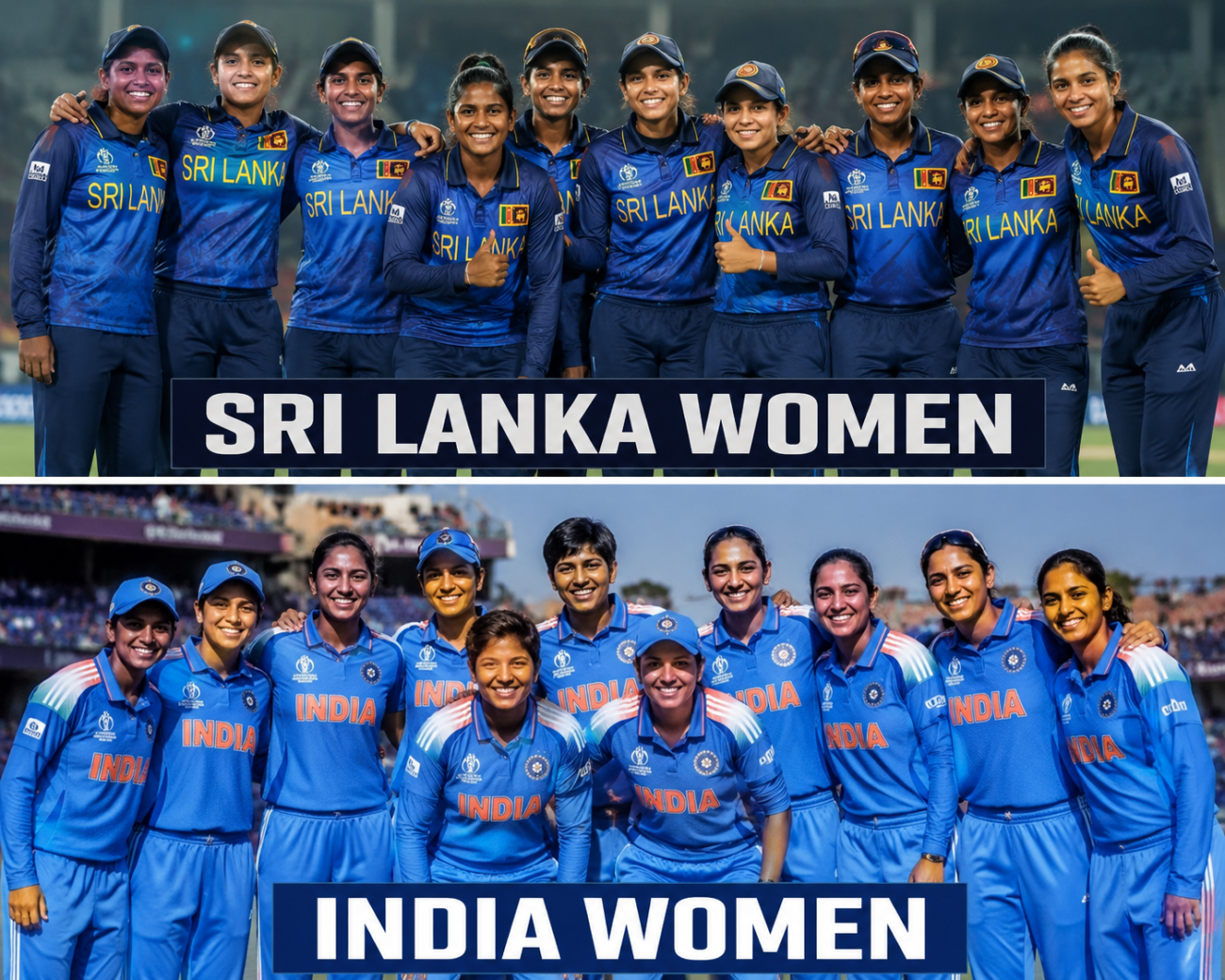
The cricketing journey between these two Asian rivals has produced memorable contests, outstanding individual performances, and significant moments in women’s cricket history. Over the years, their meetings have reflected the growth of the women’s game across the region, showcasing emerging stars, experienced leaders, and changing team dynamics. While one side often enjoyed greater success, the other continuously worked to close the gap through determination and development. Every encounter added a new chapter to the rivalry, bringing excitement for supporters and valuable lessons for players. This timeline explores the most important matches, standout performances, tactical battles, and defining moments that shaped their competitive history.
Recent Matches Table
| Date | Tournament | Format | Winner | Margin | Location | Host |
|---|---|---|---|---|---|---|
| Dec 30, 2025 | Sri Lanka Tour of India | T20I | India | 15 runs | Visakhapatnam | India |
| Dec 28, 2025 | Sri Lanka Tour of India | T20I | India | 30 runs | Visakhapatnam | India |
| Dec 26, 2025 | Sri Lanka Tour of India | T20I | India | 8 wickets | Thiruvananthapuram | India |
| Dec 23, 2025 | Sri Lanka Tour of India | T20I | India | 7 wickets | Thiruvananthapuram | India |
| Dec 21, 2025 | Sri Lanka Tour of India | T20I | India | 8 wickets | Thiruvananthapuram | India |
| Sep 30, 2025 | ICC Women’s Cricket World Cup | ODI | India | 59 runs | Ahmedabad | India |
| May 11, 2025 | Sri Lanka ODI Tri-Series | ODI | India | 97 runs | Colombo | Sri Lanka |
Team Statistics Summary Table
| Format | Total Matches | India Wins | Sri Lanka Wins | No Result | India Win Percentage | Sri Lanka Win Percentage |
|---|---|---|---|---|---|---|
| ODI | 35 | 32 | 2 | 1 | 91.4 | 5.7 |
| T20I | 29 | 23 | 5 | 1 | 79.3 | 17.2 |
| Overall | 64 | 55 | 7 | 2 | 85.9 | 10.9 |
| Home (India) | 21 | 20 | 0 | 1 | 95.2 | 0.0 |
| Away (Sri Lanka) | 26 | 21 | 5 | 0 | 80.7 | 19.2 |
| Neutral Venue | 17 | 14 | 2 | 1 | 82.3 | 11.7 |
| ICC Tournaments | 12 | 10 | 2 | 0 | 83.3 | 16.6 |
Individual Batting Records Table
| Player Name | Team | Matches | Innings | Total Runs | Highest Score | Batting Average |
|---|---|---|---|---|---|---|
| Mithali Raj | India | 25 | 22 | 932 | 109 | 58.25 |
| Chamari Athapaththu | Sri Lanka | 31 | 30 | 895 | 115 | 30.86 |
| Harmanpreet Kaur | India | 34 | 29 | 841 | 111 | 36.56 |
| Smriti Mandhana | India | 26 | 25 | 785 | 106 | 34.13 |
| Shafali Verma | India | 18 | 18 | 512 | 81 | 28.44 |
| Harshitha Samarawickrama | Sri Lanka | 19 | 18 | 421 | 69 | 24.76 |
| Kavisha Dilhari | Sri Lanka | 17 | 15 | 310 | 47 | 22.14 |
Individual Bowling Records Table
| Player Name | Team | Matches | Overs Bowled | Wickets Taken | Best Bowling | Bowling Average |
|---|---|---|---|---|---|---|
| Deepti Sharma | India | 28 | 198.2 | 42 | 4 for 16 | 16.42 |
| Jhulan Goswami | India | 22 | 174.1 | 35 | 4 for 11 | 14.85 |
| Inoka Ranaweera | Sri Lanka | 27 | 182.5 | 29 | 3 for 21 | 24.51 |
| Rajeshwari Gayakwad | India | 19 | 132.0 | 27 | 4 for 18 | 18.22 |
| Pooja Vastrakar | India | 16 | 94.4 | 21 | 3 for 23 | 21.04 |
| Chamari Athapaththu | Sri Lanka | 31 | 112.1 | 19 | 3 for 26 | 31.47 |
| Udeshika Prabodhani | Sri Lanka | 22 | 128.0 | 18 | 2 for 20 | 29.88 |
When Two Neighbors Began Writing a Cricket Story
The rivalry between these two Asian sides grew naturally through years of regional competition and international tournaments. One team entered the women’s cricket landscape with greater resources, stronger domestic structures, and broader international exposure. The other relied on determination, emerging talent, and a desire to close the competitive gap. Early meetings reflected this difference, but they also revealed the fighting spirit that would eventually make contests more interesting. Fans from both nations closely followed every encounter because regional pride was always at stake. Each match added another chapter to a growing sporting relationship. As women’s cricket expanded across Asia, these contests became important measuring sticks for player development and team progress. Young cricketers gained valuable experience, senior players built reputations, and supporters witnessed the gradual evolution of a meaningful rivalry. What started as a one-sided battle slowly transformed into a contest where every performance carried significance. The foundation laid during those early years helped create memorable moments that would influence future generations of players and fans alike.
| Era | Focus Area | Team Strength | Major Outcome | Impact |
| Early Years | Development | Emerging | Initial Meetings | Rivalry Begins |
| Regional Events | Competition | Balanced Growth | Increased Exposure | Fan Interest |
| Bilateral Series | Experience | Improving Squads | Tactical Learning | Better Standards |
| Tournament Phase | Pressure Games | Skilled Players | Competitive Matches | Wider Attention |
| Modern Era | Professionalism | Strong Units | Bigger Expectations | Lasting Legacy |
The First Meetings That Set the Tone
The earliest contests established patterns that would influence future encounters. Strong batting foundations, disciplined bowling performances, and superior fielding often determined outcomes. Experienced players understood how to handle pressure situations, while younger cricketers learned valuable lessons about international cricket. These opening battles were not just about results. They were opportunities for both teams to understand each other’s strengths and weaknesses. Strategic planning became increasingly important as coaches studied previous performances and searched for ways to gain an advantage. Some matches were controlled from start to finish, while others featured moments that hinted at a more competitive future. Individual performances often shaped the narrative, with top-order batters building match-winning totals and bowlers exploiting crucial opportunities. Fans began to recognize recurring player matchups that would later become defining elements of the rivalry. Every encounter contributed to a growing database of tactical insights, creating a deeper understanding between the teams. Those first meetings ultimately laid the groundwork for more dramatic contests in later years.
| Match Phase | Key Factor | Batting Impact | Bowling Impact | Result Influence |
| Opening Overs | Momentum | Quick Starts | Early Wickets | Strong Effect |
| Middle Overs | Control | Partnerships | Containment | Stability |
| Late Overs | Acceleration | Extra Runs | Pressure Bowling | Turning Point |
| Chase Phase | Composure | Run Rate Management | Defensive Plans | Match Outcome |
| Final Moments | Execution | Finishing Ability | Crucial Breakthroughs | Decisive Impact |
Learning Through Defeat and Searching for Answers
Periods of struggle often become the greatest learning opportunities in sport. Repeated setbacks encouraged deeper analysis, stronger preparation, and improved tactical awareness. Coaching staffs focused on strengthening batting depth, refining bowling combinations, and improving fielding standards. Every defeat highlighted areas requiring attention, while every competitive performance provided encouragement. Players gradually developed confidence by competing against higher-ranked opponents and adapting to different match situations. Fitness, mental resilience, and game awareness became essential components of progress. Team management also invested significant effort into identifying young talent capable of succeeding at the international level. Small improvements eventually translated into stronger performances on the field. Closer matches began replacing one-sided contests, demonstrating meaningful development. Supporters appreciated the visible progress and remained hopeful about future results. While victories did not arrive immediately, the process of learning from difficult experiences helped build a more resilient squad. Over time, these lessons contributed to a more balanced rivalry and created opportunities for memorable breakthroughs.
| Challenge | Response | Improvement Area | Outcome | Long-Term Benefit |
| Batting Issues | Technical Work | Consistency | Better Scores | Stability |
| Bowling Concerns | Skill Training | Accuracy | More Wickets | Balance |
| Fielding Errors | Practice Sessions | Efficiency | Fewer Mistakes | Confidence |
| Pressure Situations | Match Simulations | Decision Making | Improved Results | Growth |
| Squad Depth | Talent Development | Competition | Strong Bench | Sustainability |
Mithali Raj’s Era and India’s Control of the Rivalry
This period was defined by calm leadership, batting excellence, and remarkable consistency. The captain became a symbol of reliability, frequently guiding her side through challenging situations with intelligent shot selection and composure. Under her leadership, the team developed a winning culture built on patience, discipline, and tactical awareness. Batters focused on constructing innings, while bowlers executed carefully planned strategies. Opponents often struggled to find answers against such a well-organized unit. Several matches followed a familiar pattern in which early control eventually translated into commanding victories. Partnerships played a crucial role, allowing the batting lineup to post competitive totals or successfully chase targets. Meanwhile, the bowling attack maintained pressure through disciplined lines and lengths. This era also witnessed the emergence of future stars who benefited from strong leadership and valuable experience. Supporters celebrated numerous memorable performances that strengthened the team’s position in regional cricket. The sustained success achieved during this phase left a lasting mark on the rivalry and set high standards for future generations.
| Element | Key Strength | Match Influence | Team Benefit | Legacy |
| Leadership | Stability | Better Decisions | Confidence | Inspiration |
| Batting | Consistency | Big Totals | Control | Records |
| Bowling | Discipline | Regular Wickets | Pressure | Reliability |
| Fielding | Efficiency | Saved Runs | Momentum | Standards |
| Team Culture | Professionalism | Strong Performances | Success | Long-Term Growth |
Asian Cricket’s Biggest Women’s Contest Takes Shape
Regional tournaments brought additional intensity because every match carried greater consequences. Championship ambitions, knockout scenarios, and passionate supporters created an atmosphere unlike regular bilateral contests. Players understood that strong performances could influence tournament standings and national pride. Pressure situations often revealed the character of both teams. Some players thrived under the spotlight, producing match-winning contributions that became part of cricketing history. Tactical planning became more detailed as coaching staffs sought every possible advantage. Captains adjusted field placements, bowling changes, and batting orders to maximize results. Fans followed every moment closely, celebrating victories and debating key decisions long after matches ended. Media coverage expanded, increasing visibility for women’s cricket across the region. As competition intensified, individual rivalries added further intrigue. Batters targeted specific bowlers, while bowlers searched for weaknesses against established stars. These tournament encounters elevated the rivalry beyond ordinary competition and transformed it into one of the most closely followed contests in Asian women’s cricket.
| Tournament Stage | Pressure Level | Key Requirement | Typical Strategy | Importance |
| Group Match | Moderate | Consistency | Balanced Approach | Qualification |
| Crucial Fixture | High | Execution | Tactical Flexibility | Momentum |
| Semi Final Race | Very High | Composure | Smart Decisions | Advancement |
| Final Challenge | Maximum | Performance | Aggressive Intent | Trophy Pursuit |
| Legacy Match | Historic | Excellence | Complete Team Effort | Lasting Memory |
When Sri Lanka Started Fighting Back
A noticeable shift occurred when improved player development began producing stronger performances. Confidence grew as experienced cricketers combined with promising newcomers to create a more competitive unit. Batters displayed greater intent, bowlers attacked with clearer plans, and fielders contributed important breakthroughs. Close finishes became more common, demonstrating how much progress had been achieved. Tactical innovation also played a role, with captains making bold decisions to challenge established patterns. Supporters responded enthusiastically whenever the team threatened to upset expectations. Individual brilliance often inspired teammates and generated belief throughout the squad. Strong partnerships, disciplined spells, and energetic fielding efforts helped create memorable contests. Even in defeat, the margin between the teams frequently narrowed. This period proved that determination and long-term planning could significantly improve competitiveness. The rivalry became more engaging because outcomes felt less predictable than before. Every strong performance strengthened confidence and encouraged greater ambitions, setting the stage for future successes and adding fresh excitement to the ongoing cricket story.
| Development Area | Positive Change | Match Impact | Team Confidence | Future Value |
| Batting | Greater Intent | More Runs | Increased Belief | Consistency |
| Bowling | Better Planning | Key Wickets | Momentum | Control |
| Fielding | Higher Standards | Saved Chances | Energy | Reliability |
| Leadership | Clear Direction | Smart Decisions | Unity | Growth |
| Team Depth | More Options | Flexibility | Stability | Progress |
Smriti Mandhana, Harmanpreet Kaur and a New Indian Core
A new generation brought fresh energy, aggressive intent, and modern tactics. Dynamic batting became a defining feature as attacking players looked to seize momentum from the beginning of an innings. Their ability to score quickly placed significant pressure on opponents and often changed the direction of matches. Strong partnerships combined flair with responsibility, ensuring balance within the batting lineup. Leadership also evolved, reflecting the demands of contemporary cricket. Bowlers adapted by developing variations suited to different conditions and formats. The team continued building on previous success while embracing a more proactive approach. Supporters enjoyed a brand of cricket that blended entertainment with effectiveness. Several memorable performances showcased the depth of talent available and reinforced the team’s status among the strongest sides in the region. At the same time, opponents were forced to develop new strategies to counter this aggressive style. This era highlighted the importance of adaptation, innovation, and confidence in maintaining success within an increasingly competitive international environment.
| Feature | Modern Approach | Key Benefit | Match Effect | Long-Term Impact |
| Batting Style | Aggressive | Fast Scoring | Early Pressure | Dominance |
| Partnerships | Positive Intent | Stability | Big Totals | Consistency |
| Bowling Plans | Variations | Flexibility | Crucial Wickets | Adaptability |
| Leadership | Proactive | Better Control | Tactical Advantage | Progress |
| Team Structure | Balanced Squad | Depth | Reliable Results | Sustained Success |
Conclusion
This rivalry represents far more than a collection of cricket matches. It tells the story of progress, ambition, resilience, and the growing popularity of women’s cricket in Asia. Through different generations of players, the contests have evolved from one-sided encounters into increasingly competitive battles filled with skill and determination. Exceptional batting displays, match-winning bowling spells, and unforgettable tournament clashes have all contributed to the rivalry’s legacy. As both teams continue to develop new talent and embrace modern strategies, future meetings promise even greater excitement. The history shared between these sides remains an important chapter in the continued rise of women’s international cricket.
FAQs
What makes this rivalry important in women’s cricket?
This rivalry highlights the growth of women’s cricket in Asia and features several memorable matches, talented players, and major tournament encounters.
Which tournament has produced the most significant meetings?
Regional championship events have delivered many of the most important contests because they often carried title and qualification implications.
Who are some of the standout players in this rivalry?
Several legendary batters, captains, all-rounders, and bowlers have played key roles through different eras, influencing important results.
How has the rivalry changed over the years?
The competition has evolved from largely one-sided encounters into more competitive matches as player development and team standards improved.
Why do fans enjoy following these matches?
Supporters enjoy the combination of regional pride, talented players, tactical battles, and the possibility of witnessing memorable performances on the international stage.